Your Customer's AI Is Watching the Price You Sold Them

5 minutes
20.10.2026

TL;DR

  • Travelers now want AI to watch hotel prices for them. In a 3,250-person Mews survey published in October 2026, 63% said they would use AI to monitor room-rate drops.
  • When a traveler's AI agent finds a lower price on a refundable booking, it can cancel and rebook elsewhere. The seller loses the booking and the margin on it.
  • We call this The Price-Drop Race. It goes to whoever sees the lower rate first, and sellers can win it at three checkpoints: at book, after book, and before the traveler's agent forces the question.

Do travelers want AI to watch hotel prices after booking?

Not plan the trip. Watch the price.

In a survey of 3,250 travelers across eight markets, published by hospitality software company Mews on 15 October 2026, 63% said they would use AI to monitor room-rate price drops. Only 44% wanted AI planning their itinerary.

SiteMinder's Changing Traveller Report 2026, which surveyed 12,000 travelers in 14 countries, points the same way. Price monitoring and alerts top the list of AI features travelers want, at 44%.

The tools are already live. In April 2026, Google added price-drop alerts for individual hotels, available to signed-in users worldwide. This month, one of the world's largest online travel groups launched an AI agent that reads a traveler's booking confirmations and watches them for price changes, including bookings made on other sites.

Watching a price is a chore. Chores are the first thing travelers hand to AI.

What is post-booking price monitoring?

Post-booking price monitoring is tracking the price of a hotel room after it has been booked, to catch a lower rate for the same stay before the cancellation deadline. If the booking is refundable, the lower rate can replace the original one.

Travel sellers have done this quietly for years. What changed in 2026 is who else is watching.

Why is a price drop after booking now a B2B problem?

Until recently, most price drops after booking went unnoticed. The traveler had moved on. The OTA (online travel agency), TMC (travel management company serving corporate clients) or bedbank (wholesale hotel inventory aggregator) that sold the room often didn't check either. Even rebooking vendors have treated traveler-led cancel-and-rebook as too small to matter. AI agents make it happen at scale.

An AI agent doesn't move on. It can check the price every day until check-in. When it finds a lower public price on a refundable booking, the next step is simple: cancel, rebook somewhere cheaper, and tell the traveler they saved money.

For the seller, that is three costs at once:

  • The booking is gone, and the margin with it.
  • The cancellation still has to be processed and reconciled.
  • The traveler learns that your price wasn't the final one.
A price drop nobody noticed used to cost nothing. A price drop the traveler's AI notices first costs you the booking.

The Price-Drop Race: who sees the lower rate first?

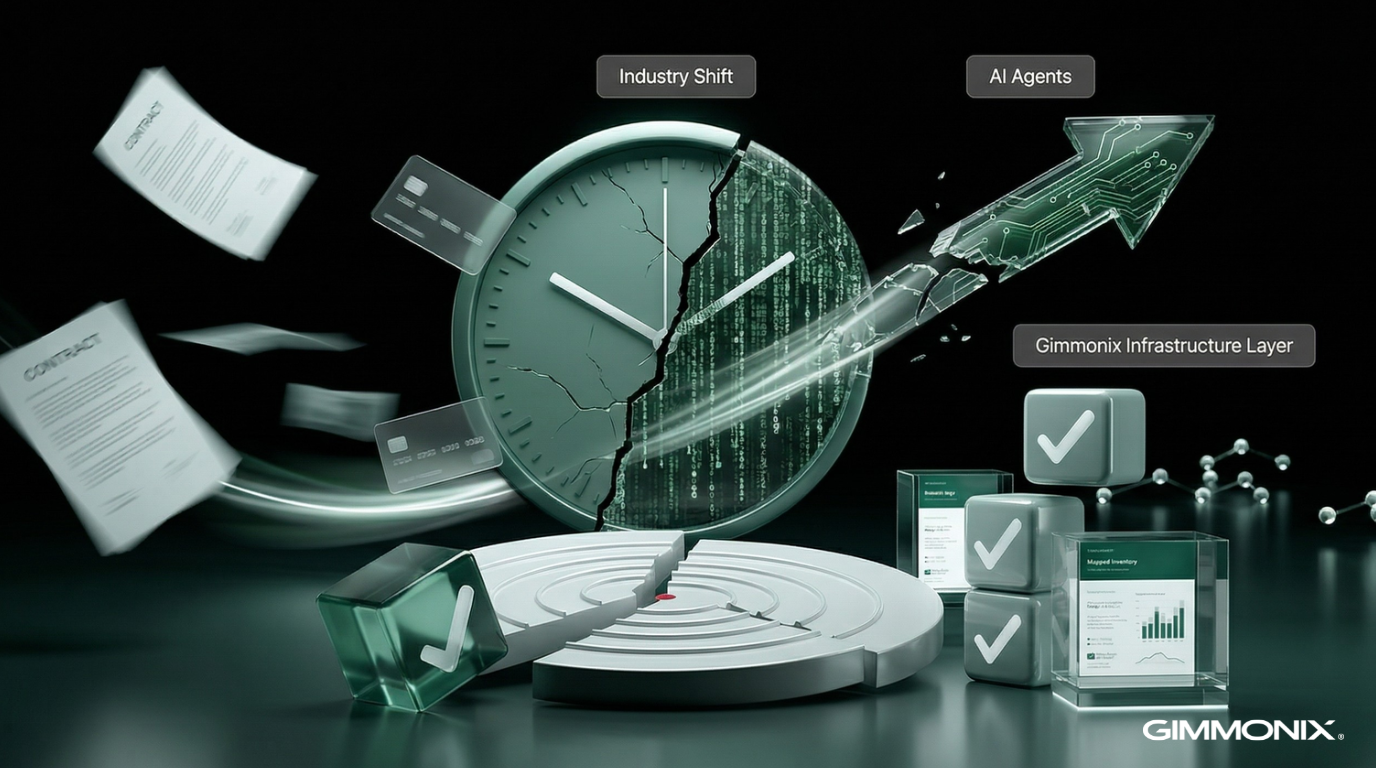
We call this The Price-Drop Race. When a lower rate appears for a room you've already sold, two parties can find it: your systems on the supply side, or the traveler's agent on the retail side. Whoever finds it first decides what happens to the money.

Sellers start with one advantage. A traveler's agent sees public prices. You see the net rates every one of your suppliers is offering for the exact room you sold. That view only pays off if something is checking it.

What happens to a post-booking price drop
What changes Nobody is watching The traveler's AI finds it first The seller finds it first
Who sees the lower rate Nobody The traveler's agent, on public prices The seller, on its own supply
What happens to a refundable booking Stays as booked Cancelled and rebooked elsewhere Stays with the seller
Where the price difference goes Nowhere, it goes unused To the traveler and another seller To the seller, to keep or share
Cancellation work for the seller None Process and reconcile the cancellation None
What the traveler sees Nothing changes That your price wasn't the final one Nothing changes

How do OTAs, TMCs and bedbanks win the Price-Drop Race before the traveler's AI does?

Three checkpoints, in order.

  1. Catch it at book. A cheaper equivalent rate for the same hotel, room type and dates is often available in your own supply at the moment of booking. Book on it, and the race is won before it starts.
  2. Keep watching after book. Check every confirmed, refundable booking against your own suppliers until the cancellation deadline. When the same room appears cheaper with equal or better cancellation terms, switch to it. Nothing changes for the traveler.
  3. Decide what the drop is for. A drop you catch is margin you can keep. Some sellers will choose to share part of it with the traveler, for example through a price guarantee, before an agent forces the question. Either way, the decision stays with you, not with the agent.

The first checkpoint does the most work. A booking made on the best rate in your supply starts with more margin, which leaves you more room if prices fall later.

The traveler's agent sees public prices. You see your supply. Use the view the agent doesn't have.

What should you look for in a post-booking price monitoring system?

Whether you build it or buy it, distribution, revenue and supply teams should check six things.

  • Same room, not a lookalike. Supplier room names rarely match. Without room mapping, a cheaper rate can turn out to be a smaller room or a different bed type, and the saving becomes a complaint.
  • Equal or better cancellation terms. A lower price with a stricter cancellation window moves risk onto you. The switch only makes sense if the terms hold.
  • Bookable before you cancel. Confirm the new rate can actually be booked before releasing the original. A rate that disappears mid-switch can leave the traveler without a room.
  • Your supply, your contracts. The system should shop the suppliers you already work with, and those relationships should stay yours. Our September post sets out three ownership questions to ask any vendor.
  • Measurable booking by booking. You should see the original rate, the caught rate and the difference on every reservation, and be able to measure results before you commit.
  • Coverage at book, not only after. A system that only watches after booking skips the first checkpoint, where the better rate is often already available.

How does RateFox catch post-booking price drops?

RateFox covers the first two checkpoints. At the moment of booking, it catches the rate you missed: the better price that was already available through your own supply, for the same hotel, same room and same dates, with equivalent or better cancellation terms. After the booking is confirmed, it keeps watching in the background and switches to a better rate if one appears while cancellation is still safe.

The traveler pays what they were quoted. You keep the difference. OTAs typically leave 0.8–1.2% of margin on the table, TMCs 0.5–1% and bedbanks 0.2–0.4%. If RateFox finds nothing, the original booking goes ahead unchanged.

RateFox runs on Gimmonix's room mapping layer, Mapping.Works, which matches the same physical room across suppliers even when each supplier names it differently. That is what makes the first item on the checklist possible: a cheaper rate means the same room, not a lookalike. We explained why that matters in our post on the parity breach inside your own supply.

The honest version

Travelers didn't ask AI to plan their trips. They asked it to watch prices, and Google, large travel groups and a growing set of rebooking apps are already doing that job.

Every price drop on a refundable booking will be found by someone. Make sure your systems find it first.

Key Takeaways

  • 63% of travelers would use AI to monitor room-rate drops after booking (Mews, October 2026), and price monitoring tops travelers' AI wishlist at 44% (SiteMinder, 2026).
  • On a refundable booking, a traveler's agent that finds a lower price can cancel and rebook elsewhere, taking the booking and the margin with it.
  • The Price-Drop Race goes to whoever sees the lower rate first: the seller on the supply side, or the traveler's agent on the retail side.
  • Sellers win it at three checkpoints: catch the better rate at book, keep watching after book, and decide what the drop is used for.
  • A post-booking monitoring system should match the same room, keep equal or better cancellation terms, confirm the new rate is bookable, and show the saving booking by booking.
  • RateFox catches the rate you missed at book and keeps watching after, on the same room, while the traveler pays the price they were quoted.

FAQ

What is post-booking price monitoring for hotels?

Post-booking price monitoring is tracking the price of a hotel room after it has been booked, to catch a lower rate for the same stay before the cancellation deadline. If the booking is refundable, the lower rate can replace the original one. Travel sellers do it on the supply side. Travelers now do it with AI tools such as price-drop alerts and rebooking apps.

Do travelers want AI to monitor hotel prices?

Yes. In a Mews survey of 3,250 travelers published in October 2026, 63% said they would use AI to monitor room-rate price drops, more than the 44% who wanted AI to plan their itinerary. SiteMinder's Changing Traveller Report 2026 found that price monitoring and alerts were the most wanted AI feature, chosen by 44% of 12,000 travelers.

How does a traveler's AI agent affect OTA margins?

When an agent finds a lower price on a refundable booking, it can cancel the original and rebook elsewhere. The OTA, TMC or bedbank that made the first sale loses the booking and its margin, still processes the cancellation, and the traveler learns that the original price wasn't final.

What is the Price-Drop Race?

The Price-Drop Race is Gimmonix's name for the contest over a lower rate that appears after a hotel room has been sold. The seller can find it on the supply side, or the traveler's AI agent can find it on the retail side. Whoever finds it first decides whether the difference becomes seller margin or a cancellation.

What should you look for in post-booking price monitoring software?

Check six things: it matches the same room rather than a lookalike, keeps equal or better cancellation terms, confirms a new rate is bookable before cancelling the original, shops your own suppliers without taking over your contracts, shows the saving booking by booking, and covers the moment of booking as well as after it. RateFox matches the same room through Gimmonix's Mapping.Works layer, keeps equal or better cancellation terms, shops your own supply and works at the moment of booking as well as after it.

Article Author
Maryna Gaidak
Head of Marketing
Close-up of textured white frosted glass with an abstract pattern.Close-up of a white pigeon imprint on a textured white surface.White square with a subtle diamond pattern and a faint diamond shape in the center on a light background.Rounded square icon with a white flame symbol on a textured white background.Close-up of a white textured powder against a plain background.White square textured surface with subtle patterns and rounded corners.Dark green square with rounded corners featuring the brand name GIMMONIX in the center.

Become a Leader in Travel Tech with Gimmonix

Have questions or want to partner? Fill out the form, and our team will get back to you promptly.


By submitting, you agree to the Privacy Policy.
Thank You!
Your message has been sent. Our team will get back to you shortly.
Oops! Something went wrong while submitting the form.